
Academic rank:
Academic Leadership Position:
In charge of Resources Mobilization
Email:
a.karekezi@ur.ac.rw/auukarekezi@gmail.com
Telephone:
+250786182572
Twitter:
@auukarekezi
School/centre:
Department:
Published Papers :
| • Karekezi, A. U. (2020). The Initiation of a Norm from the Global South: Rwanda’s Gacaca, Pioneering the “Traditional” Transitional Justice Norm. GUPEA. • Karekezi, A. U. (2023). Lettre à Ngonkom, in Un cercle autour de Murambi. L’Harmattan. • Karekezi, A. U. (2023). Le Corps comme point de départ pour la reconstruction…, in Notre Corps…. L’Harmattan. • Karekezi, A. U., et al. (2023). Re-centring the Mothers of Rwanda’s Abducted “Métis” Children. Journal of African Cultural Studies. • Hitchcott, N., Karekezi, A. U., & McInally, J. (2024). Telling Stories that Cannot Be Told. Journal of African Cultural Studies. |
Brief profile:
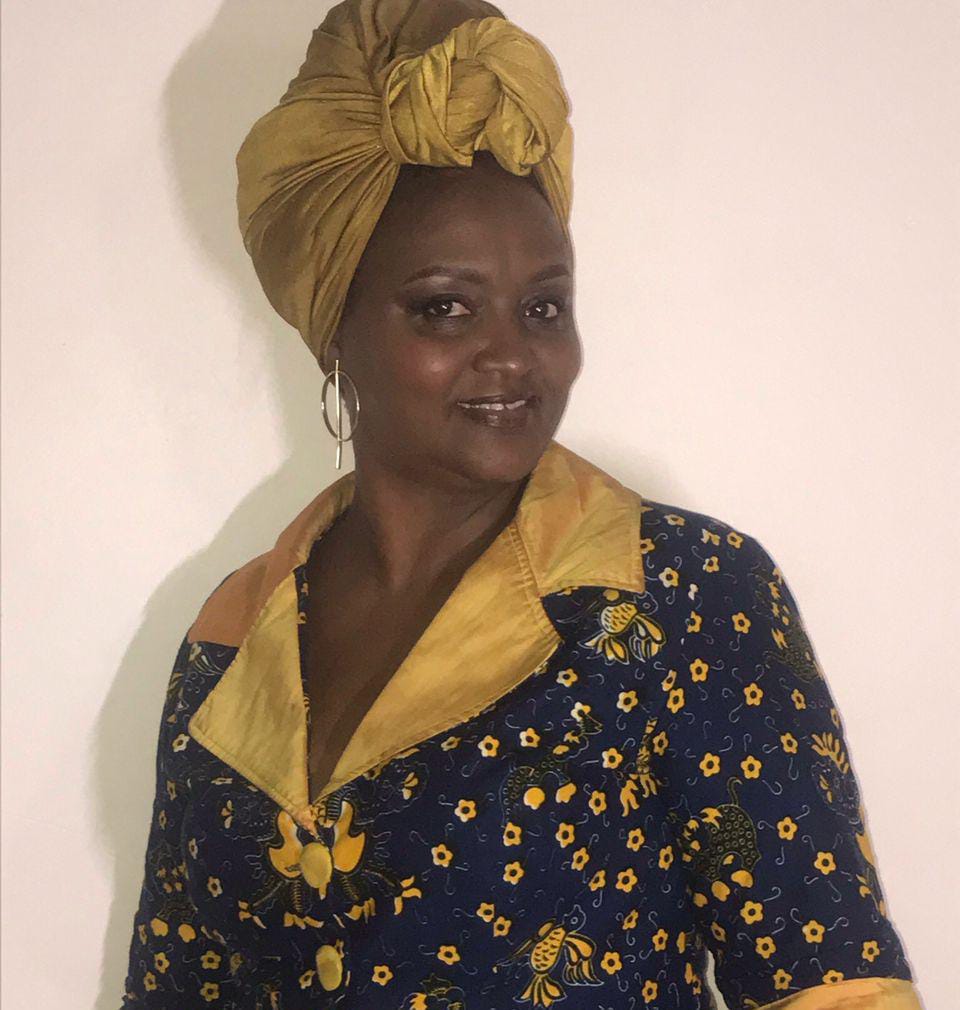
"Dr. Alice Urusaro Uwagaga Karekezi is a legal scholar and peace and security practitioner with nearly three decades of experience in post-conflict reconstruction, transitional justice, and the development of African peace and security frameworks. A recognized expert in gender and security, she co-founded the Centre for Conflict Management at the University of Rwanda in 1999, where she currently leads the Resource Mobilization Department.
Her work bridges academic research and field-based practice, with a focus on gender-based violence, homegrown justice mechanisms, and post-genocide reconstruction. As a former gender monitor at the International Criminal Tribunal for Rwanda (ICTR), she played a pivotal role in the landmark 1998 Akayesu conviction, the first international case to recognize incitement to rape as a crime against humanity.
Dr. Karekezi’s scholarship engages with the intersections of decoloniality, gendered violence, colonial memory, and resistance, with a particular emphasis on Rwanda and the Great Lakes region. Her publications include influential work on Rwanda’s Gacaca courts as a normative model of transitional justice, as well as recent studies on the erasure of Métis mothers from colonial archives, the embodied politics of post-conflict recovery, and the challenge of narrating silenced histories.
She continues to shape the field through ongoing research, regional training initiatives, and innovative approaches to memory and pedagogy—including the use of film and podcast media as tools for transmission and education."
Research Area:
Homegrown Post-Genocide Reconstruction (e.g., Gacaca, Gir’inka); Decoloniality and Coloniality; Gender-Based Violence and Resistance; Transitional Justice; Gender and Violence; African Peace and Security Architecture; Genocide Denial; Culture, Migration, and Resilience.
Research ID number (ORCID) (https://orcid.org/0009-0009-4835-8961),